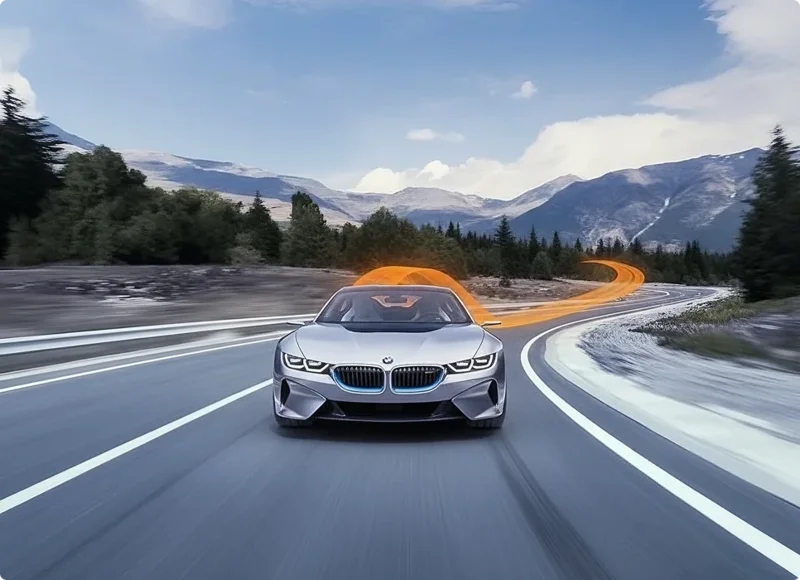
High-performance fibre composite solutions for the mobility of tomorrow.
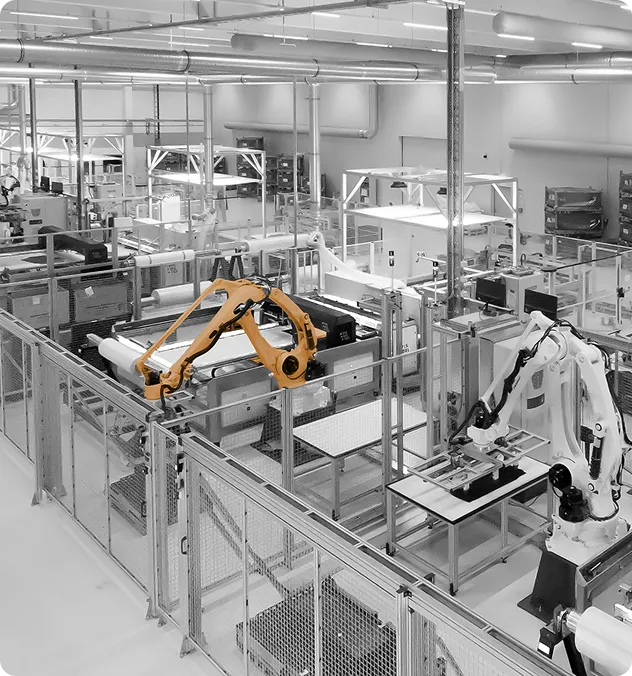
With our TFP technology and fully automated production facilities for outstanding lightweight solutions in large-scale production, we support our customers in the realisation of high-quality, high-performance and sustainable components in the automotive industry.
Thanks to their unique combination of weight savings and structural integrity, fibre composites are helping to develop lighter, more efficient and more sustainable vehicles for all vehicle classes. Whether city runabout, long-distance vehicle or heavy-duty truck - weight savings and structural performance always pay off. The customer benefits from lower fuel consumption, higher payloads and greater ranges, while the manufacturer appreciates the economical manufacturing processes and high-quality production.
From body parts and design components to safety-critical crash structures - we offer the entire range of modern fibre composite technologies for the automotive industry.
Maximum strength with minimum weight. Ideal for structural components, body parts and high-performance applications.
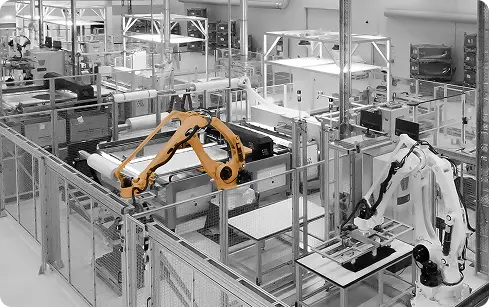
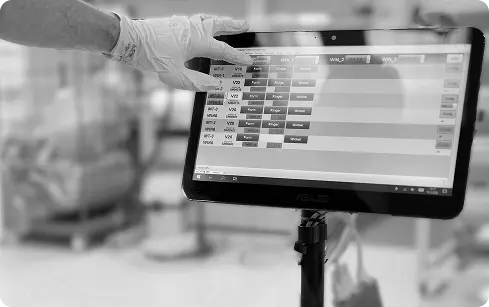
Fully automated series processes with in-line quality assurance and software-supported process optimisation ensure reproducible top quality.
Up to 70% weight saving compared to metallic structures
Material- and process-orientated component designs enable the integration of functions and thus reduce interfaces, assembly and logistics costs
The processing of any matrix system enables fast cycle times and economical large-scale production.
Lightweight construction and optimised production processes, recyclable material systems and natural fibres reduce the carbon footprint during production and use
Specialised solutions for battery housings, structural batteries and lightweight components for electric vehicles
In automotive engineering, TFP enables the highly efficient series production of weight-optimised structural components and design elements. The targeted reinforcement of localised load zones, for example in pillar connections or wishbones, maximises rigidity while minimising the amount of material used. The process also allows the seamless integration of comfort and safety features, such as heating wires, directly into the component.
Roofs, bonnets, doors, tailgates, A-/B-/C-pillars, floor assemblies
Suspension struts, wishbones, stabilisers, frame structures
Seat constructions, instrument panel supports, centre consoles, door panels
Battery housings, underbody panelling, crash structures for electric vehicles, components for electric motors
Spoilers, diffusers, air deflectors, underbody panelling
Brake discs, drive shafts, high-performance components for motorsport
Unique design and visual elements for interiors, exteriors and the after-sales market
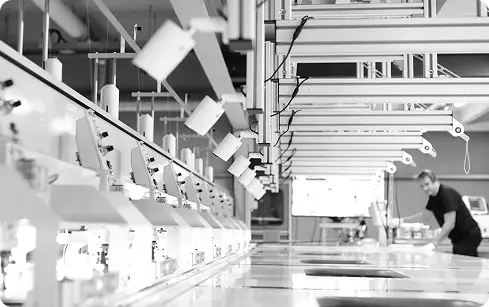
In our automotive production, we produce textile semi-finished products as hybrid fabrics.
The focus of our production technology is on processing multi-layer contour fabrics in combination with various more cost-effective carrier materials.
The advantage of this technology is the minimised use of the material to be processed by the end customer thanks to precise positioning on the substrate.
Thanks to the processing of true-to-contour materials, the waste of expensive base material required by the customer is reduced to a minimum.
Our technology is mainly used in large-scale production.
Advantages (extract):
Potential disadvantages / challenges:
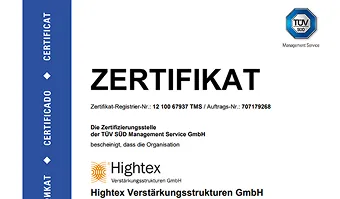
Quality management system
Certified according to: ISO 9001 : 2015
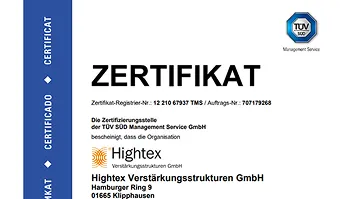
Quality management system
Certified according to: EN 9100 : 2018
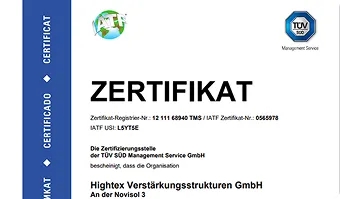
Quality management system
Certified according to: IATF 16949 : 2016
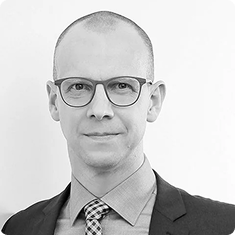
With over 20 years of experience in fibre composite and lightweight construction technology, Kai Steinbach stands for technical expertise, customer proximity and practical solutions.
As a lightweight builder at heart, he combines excellent expertise in the development, production and application of high-performance structures with knowledge of the concerns and needs of customers when it comes to the mobility of the future. Whether special vehicle or mass-produced components - his aim is to make innovations tangible.
In direct customer contact, in project workshops or at trade fairs - Kai Steinbach is your first point of contact for all questions relating to textile reinforcement structures, engineering and composite prototypes.
Free consultation and feasibility study - talk to our co-engineering experts.